86 13526863077

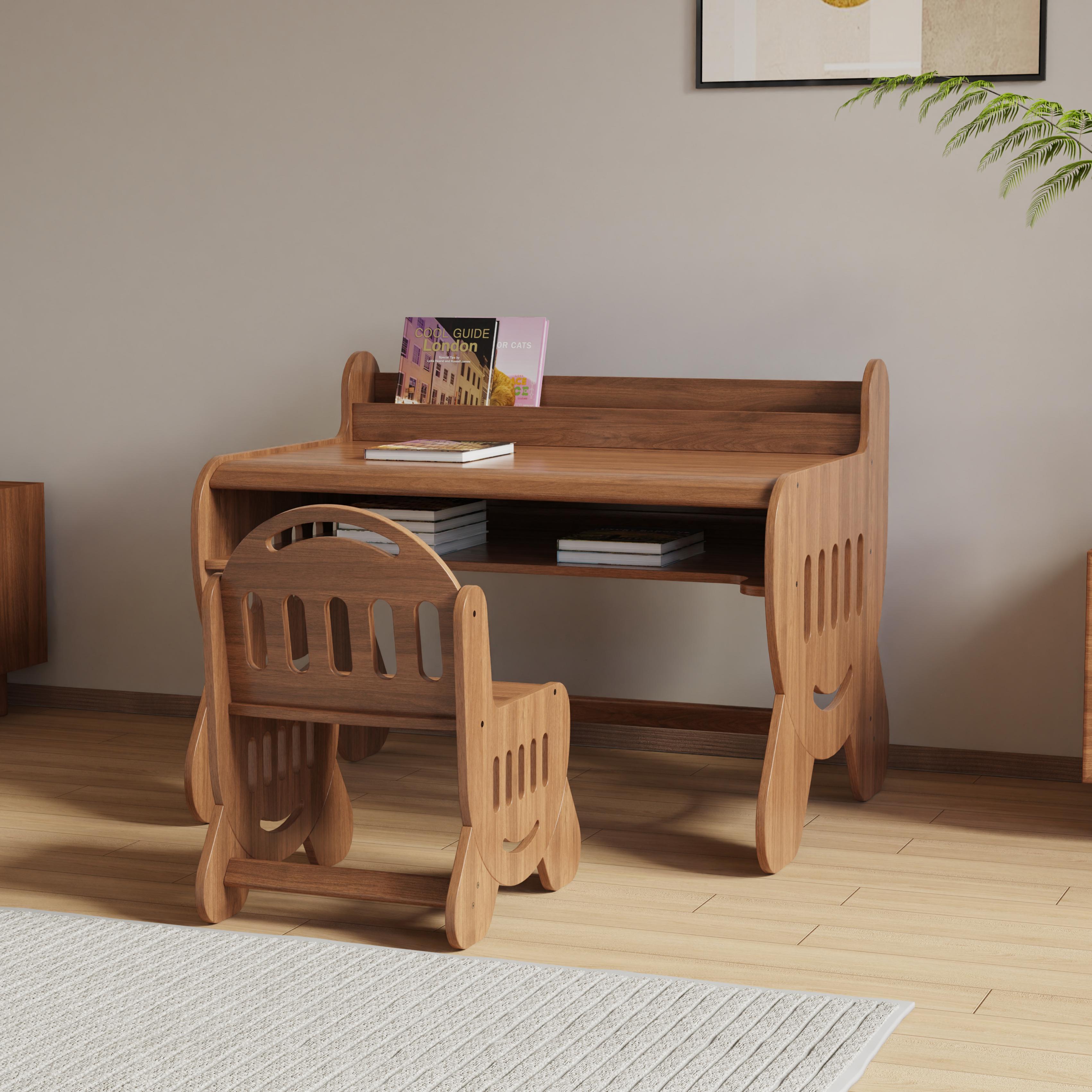
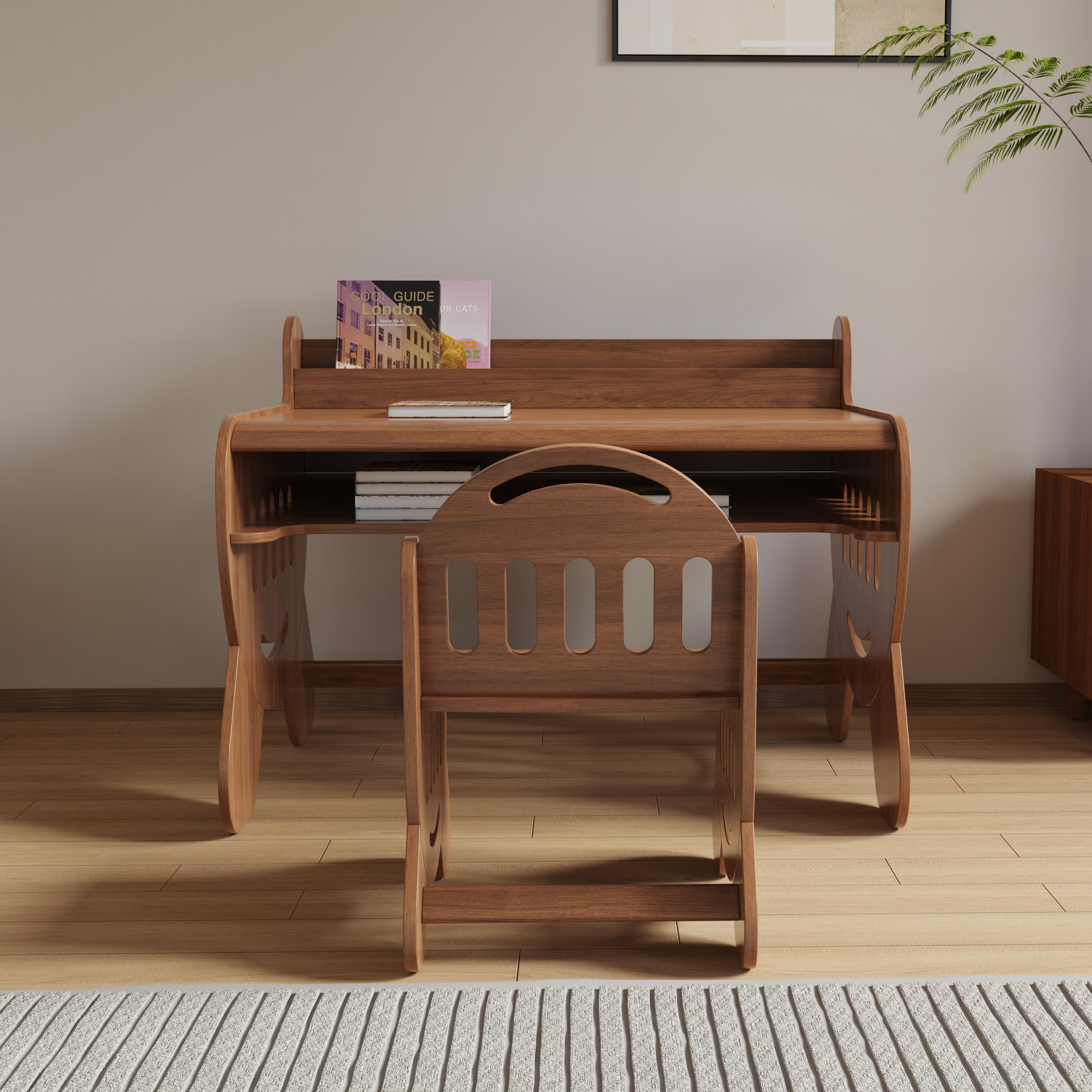
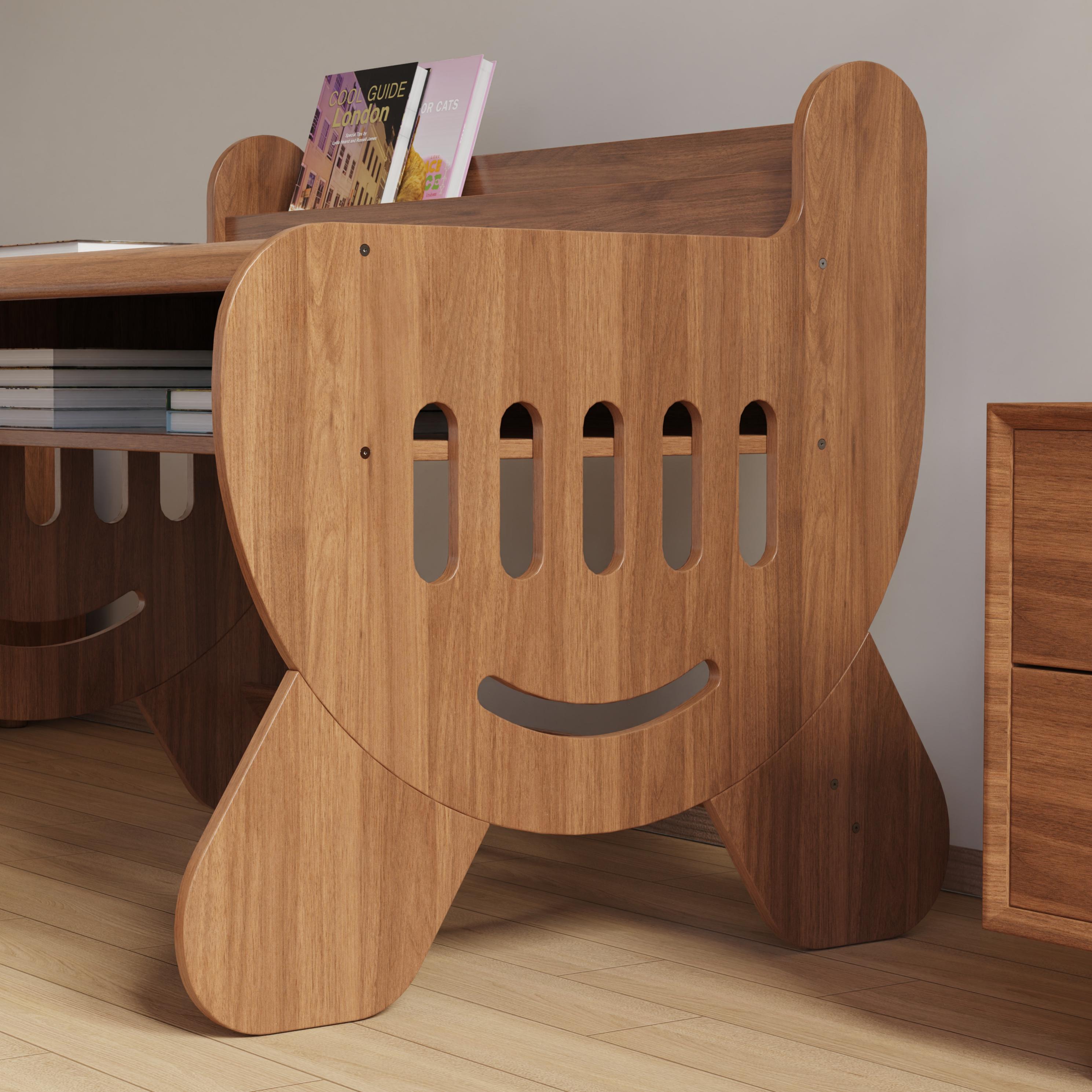
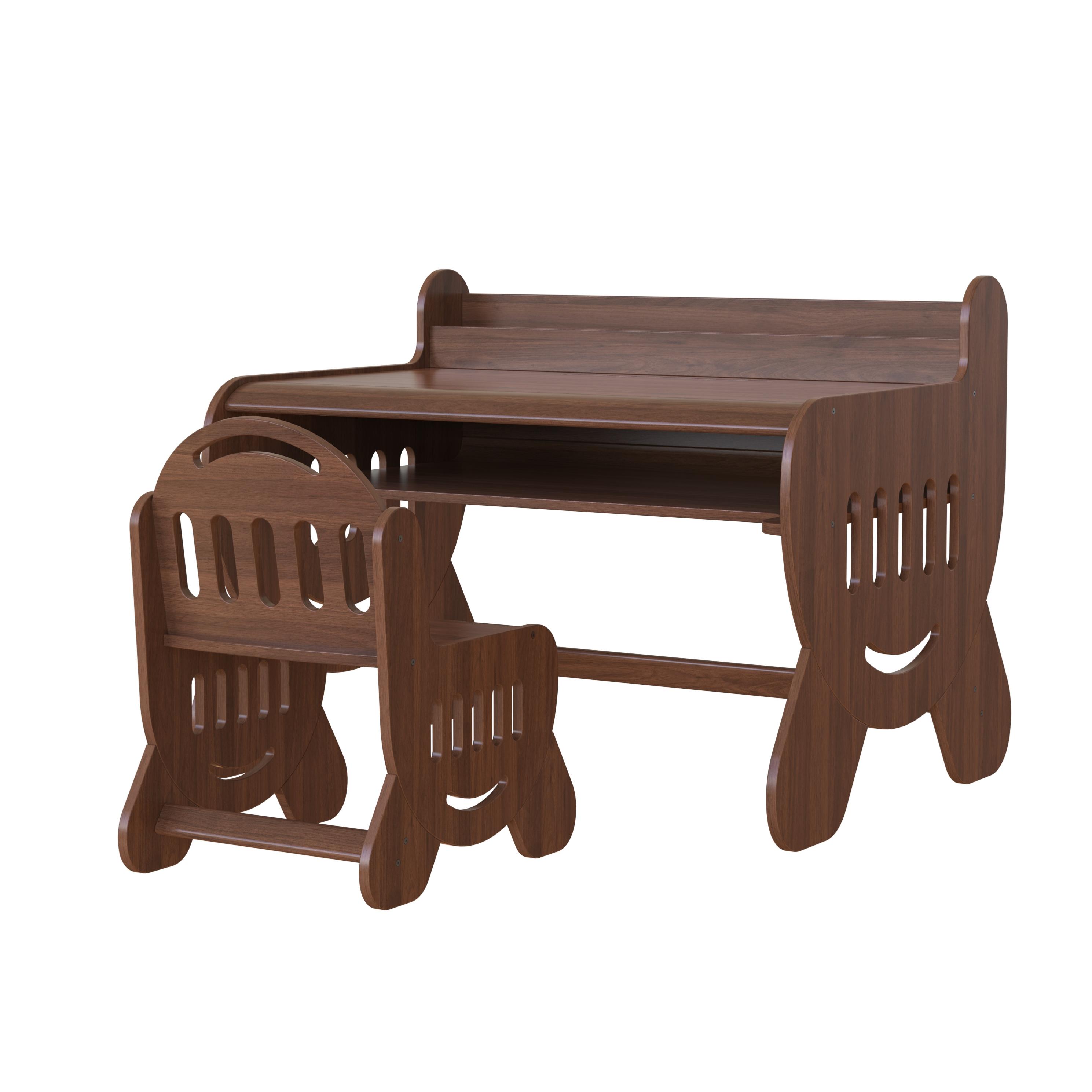
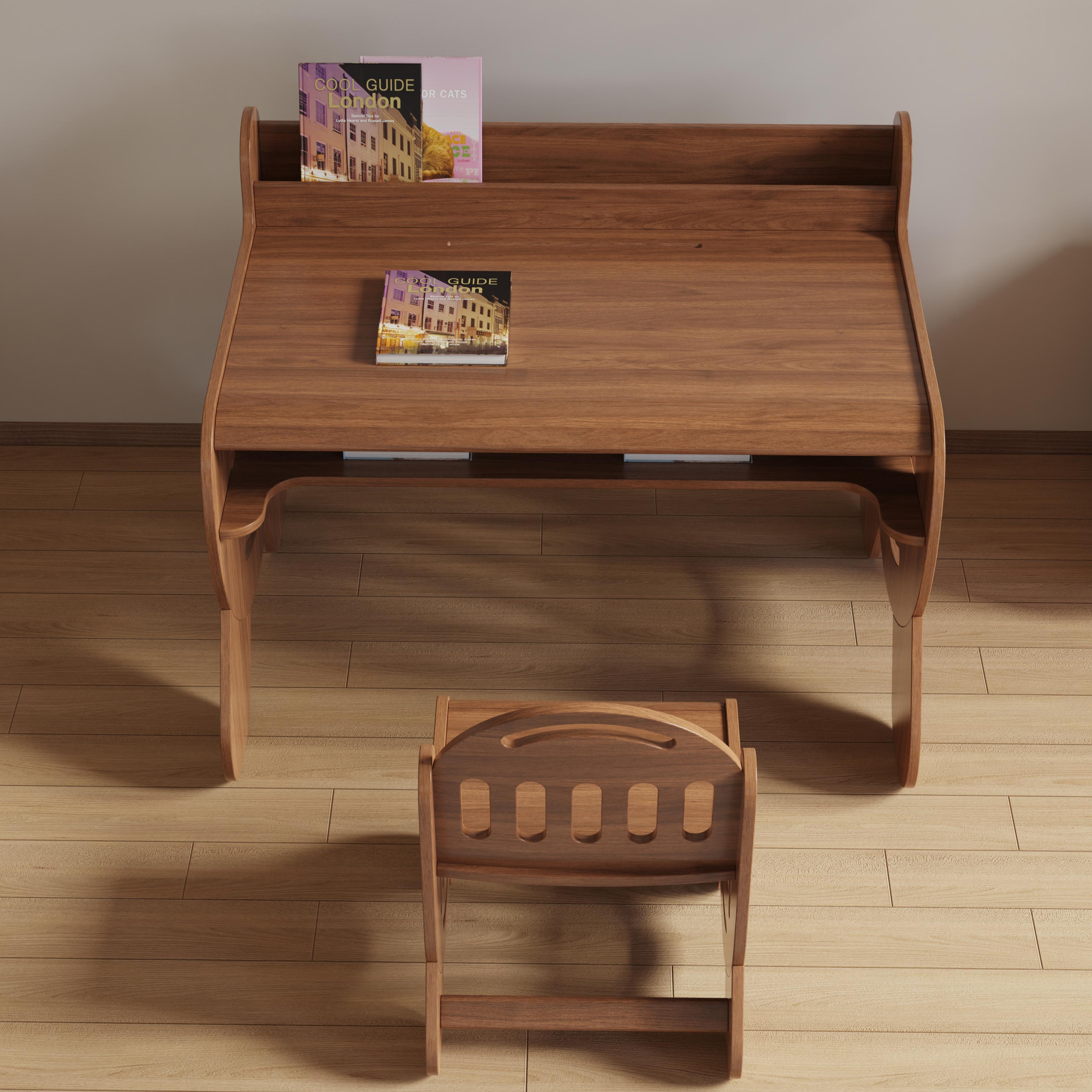
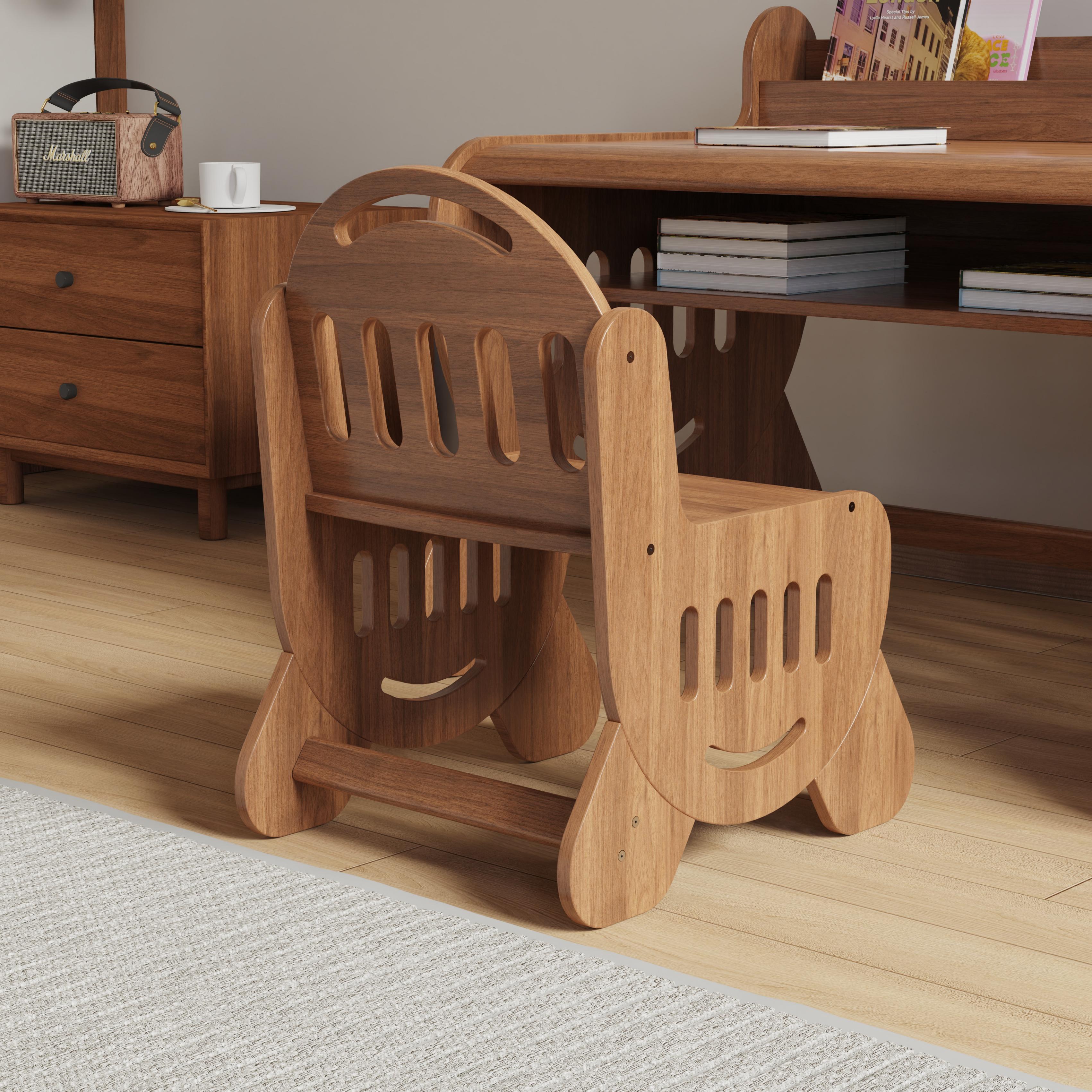
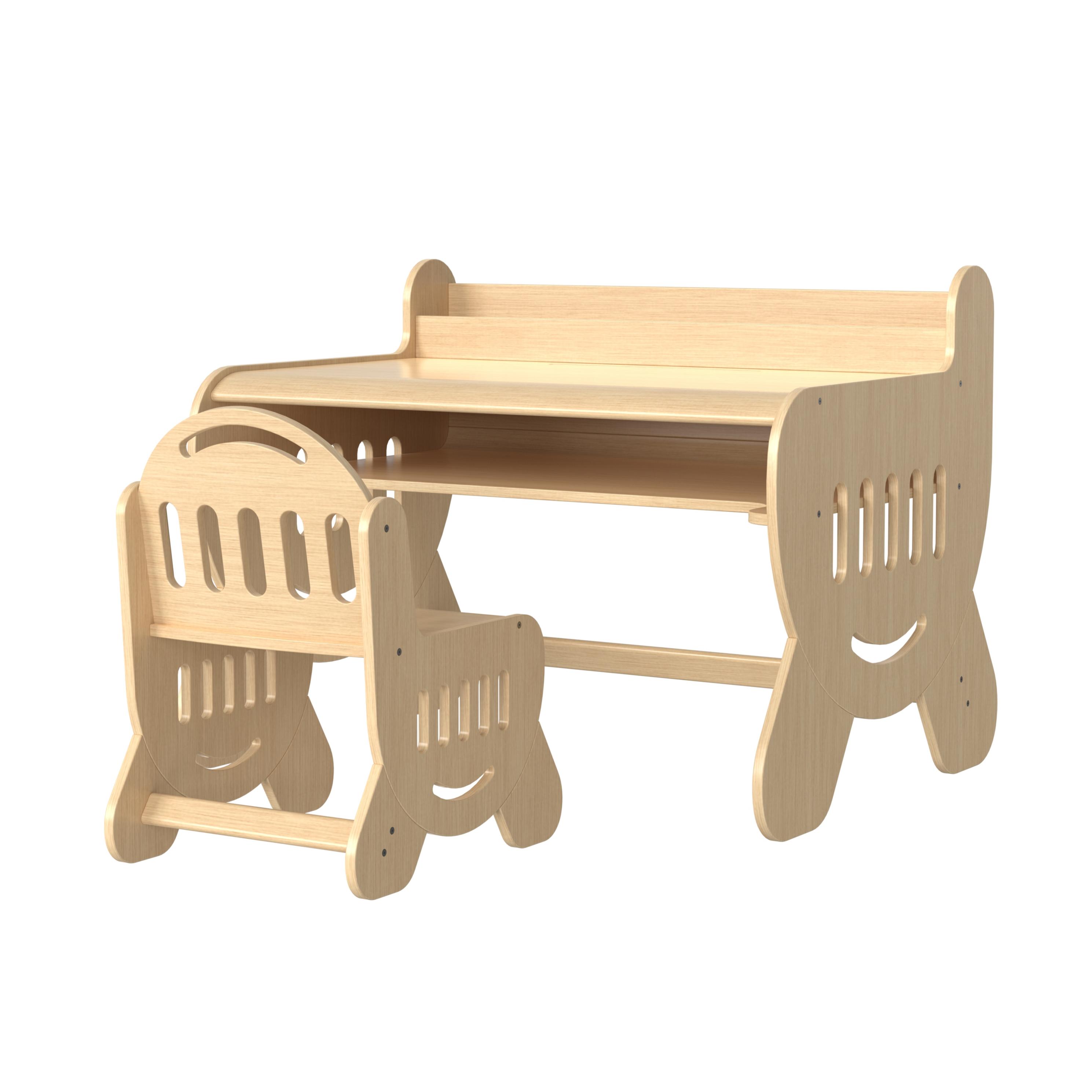
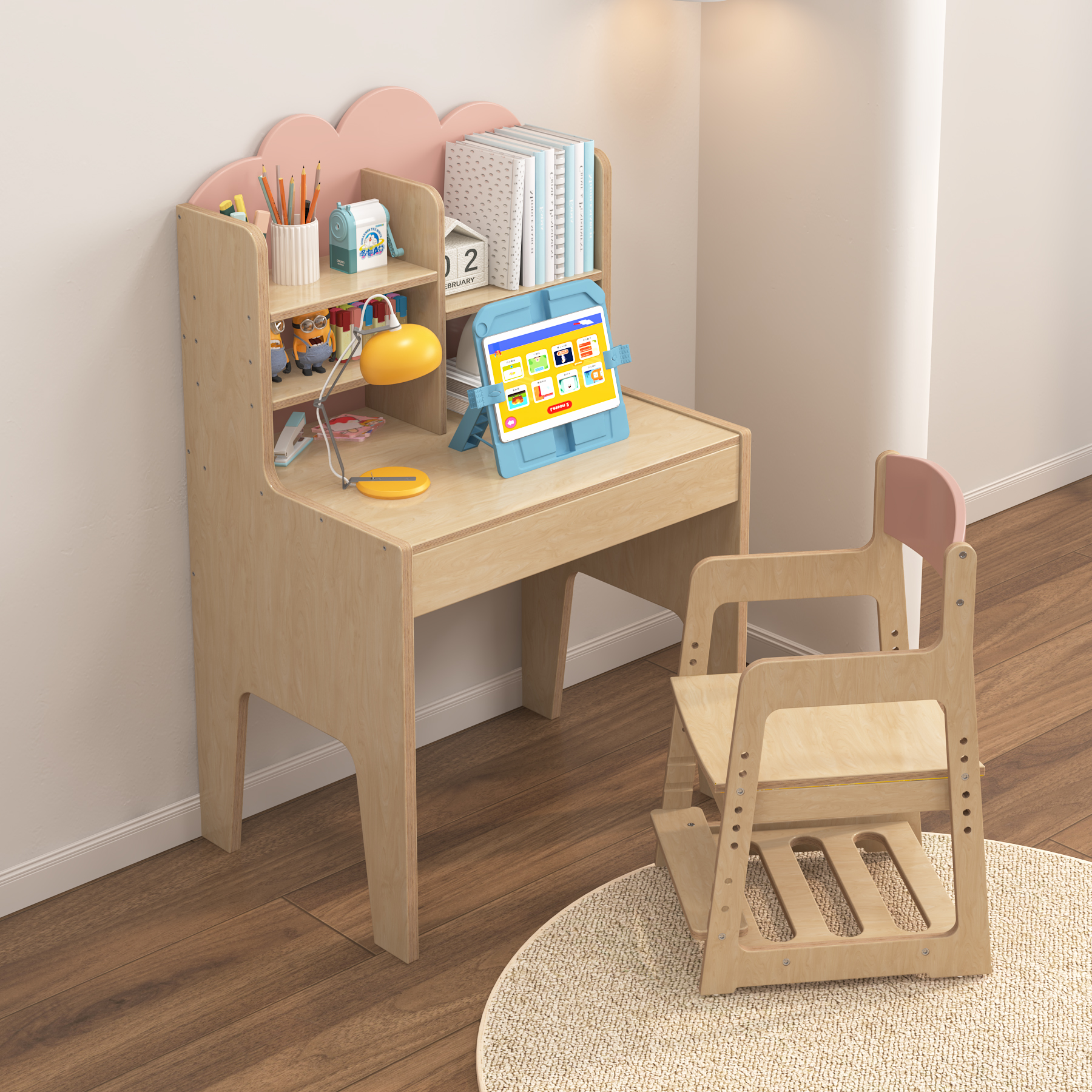
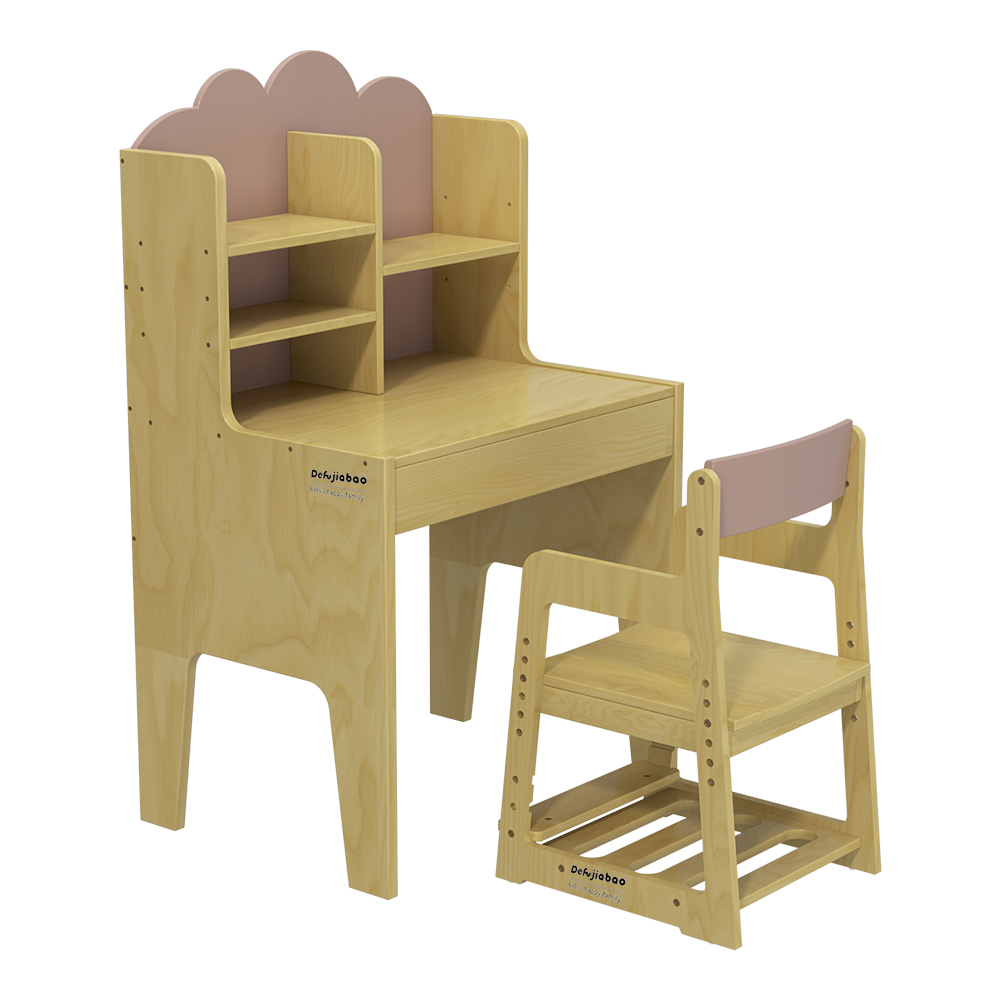
Customizable Natural Solid Wood Kids Study Desk and Chair Set with Bookshelf
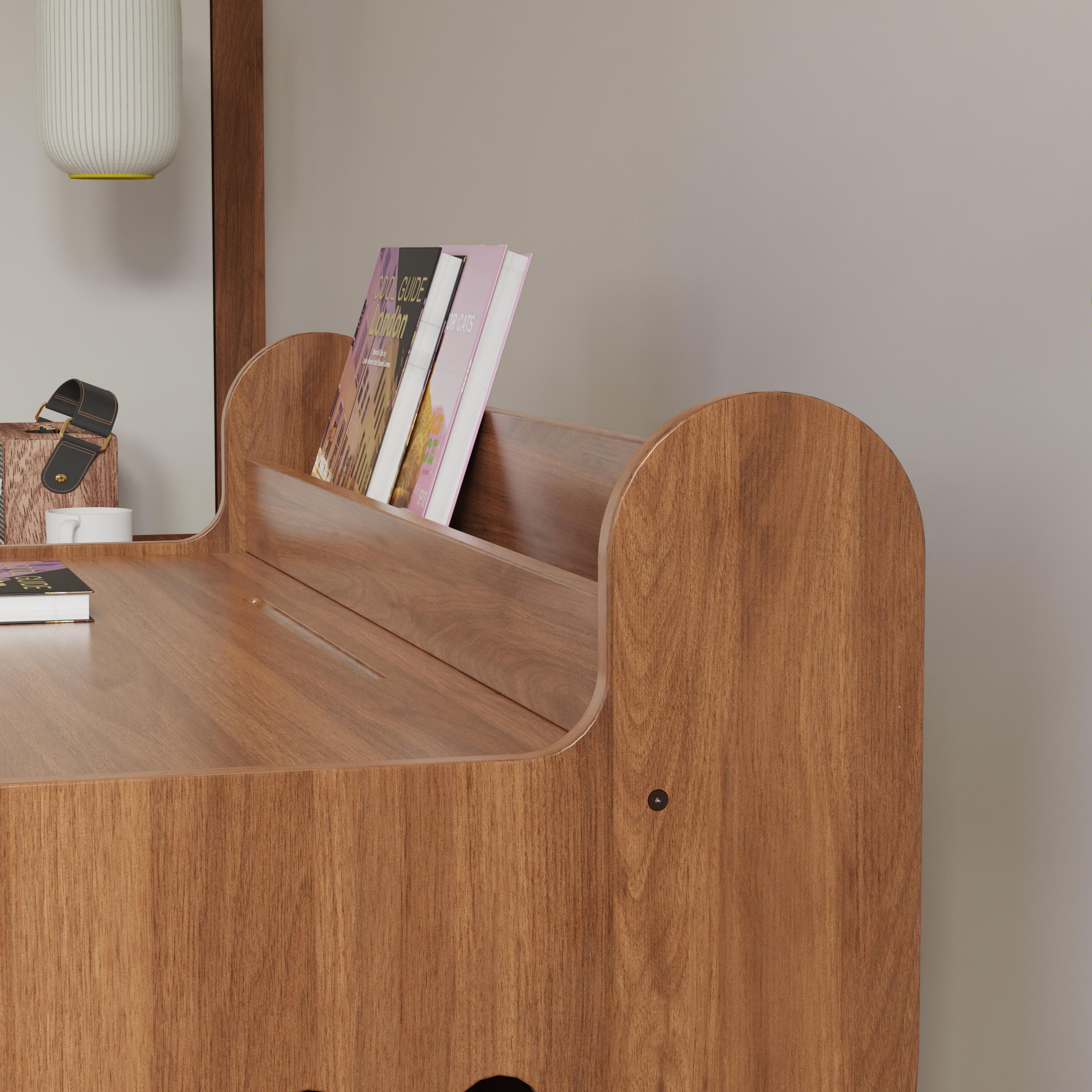
- The main frame is crafted from high-quality natural solid wood, finished with eco-friendly water-based paint for a gentle touch, meeting common safety standards for children's furniture.
- The desk and chair heights are scientifically proportioned to suit children's body dimensions, helping to cultivate proper posture and provide comfortable support for extended study and reading.
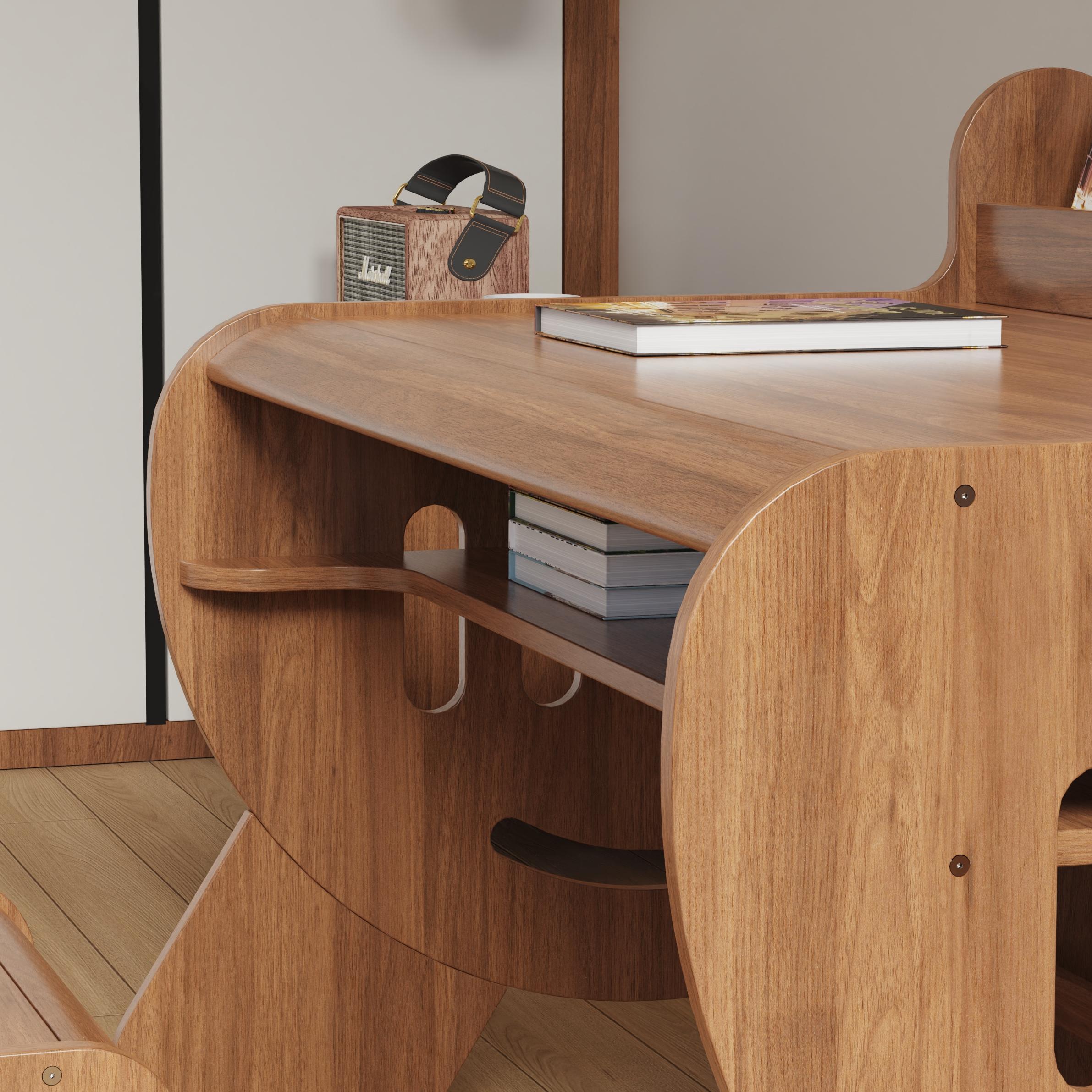
- It cleverly combines open bookshelves with storage compartments, making it easy for children to organize books and stationery, encouraging independence and maintaining a tidy space from an early age.
- With its fresh Nordic style and fluid lines, it easily blends into various settings such as home nurseries, kindergarten classrooms, or tutoring centers.
- Offers customization options for dimensions, colors, and storage modules, with support for OEM/ODM services to meet the project and branding requirements of diverse commercial clients.
Furniture Solutions for Early Learning Centers: Combining Durability with Playful Design
Equipping an early learning center requires a thoughtful approach that goes beyond simply furnishing a space. The furniture chosen must actively support the center’s educational mission, withstand the rigors of daily use by multiple children, and create an environment that is both inspiring and secure. This means moving away from a binary choice between purely institutional, utilitarian pieces and flimsy, toy-like items. The ideal solution lies in furniture that masterfully blends commercial-grade durability with intentional, playful design—creating pieces that are built to last for years while sparking joy and engagement in young learners. This article explores the key considerations for selecting such furniture and how the right partnership can deliver this essential balance, ensuring your center is both operationally efficient and wonderfully inviting.
Engineering for Commercial Durability and Long-Term Value
The primary requirement for any furniture in a professional childcare setting is exceptional durability. These pieces face constant use, cleaning, and inevitable minor impacts. To meet this demand, construction must be robust. Frames made from high-quality natural solid wood provide inherent strength and stability, far outperforming engineered boards or plastics over time. The finishes must be equally resilient; a high-grade, eco-friendly water-based paint creates a surface that is easy to sanitize, resistant to scratches, and maintains its appearance. This focus on premium materials and sturdy construction is a direct investment in lowering long-term costs by minimizing repairs and replacements, ensuring the furniture remains a dependable asset throughout its lifecycle.
Infusing Playfulness through Intelligent and Engaging Design
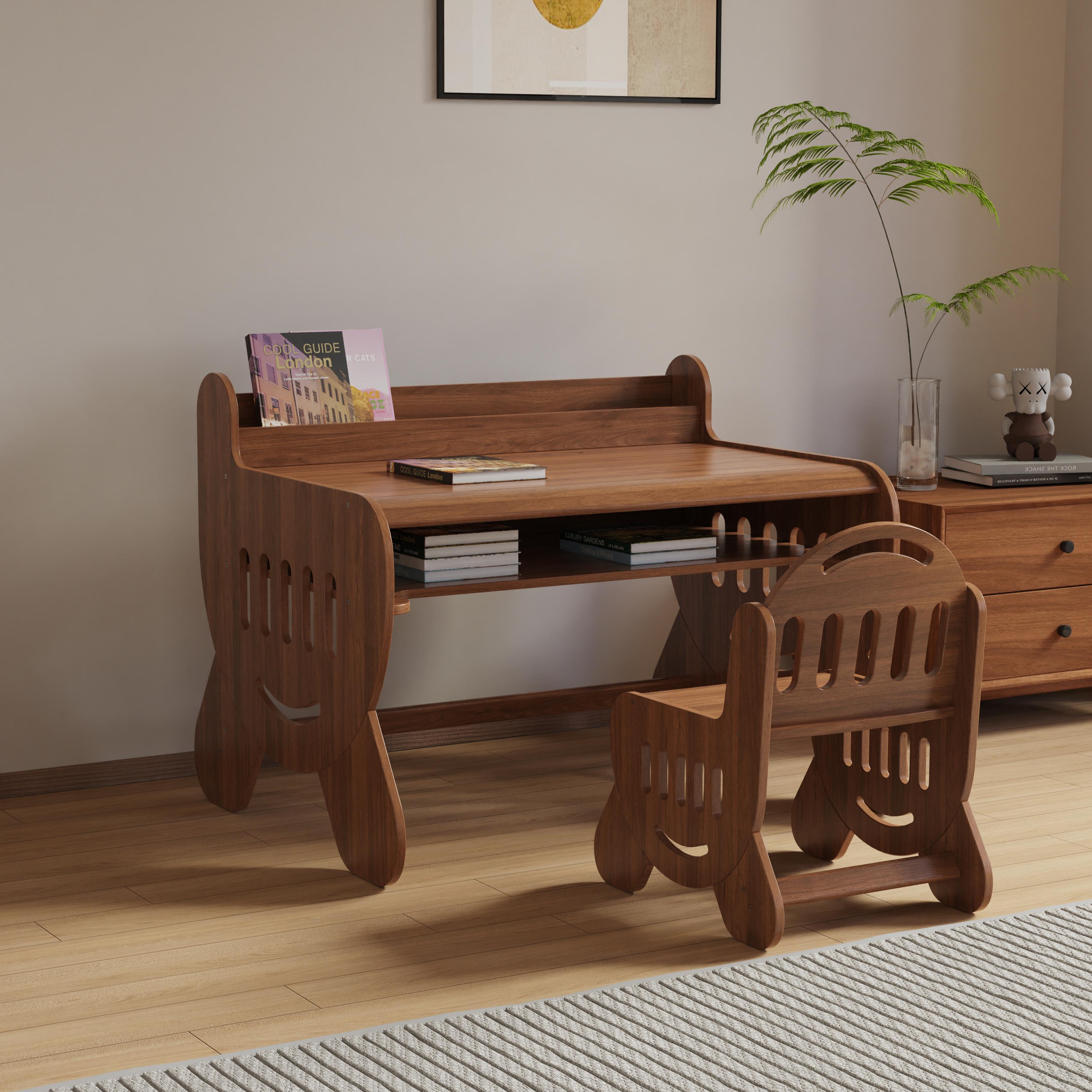
Durability should not come at the expense of warmth and appeal. The most effective furniture for early learning seamlessly integrates playful elements that resonate with children. This can be achieved through thoughtful design details rather than overwhelming themes. A chair back with a charming, friendly cut-out, a desk with softly rounded, organic edges, or a cohesive, light color palette naturally stimulates a child’s curiosity and makes the space feel like it was created just for them. This intentional playfulness transforms functional furniture into an engaging part of the learning environment, encouraging children to interact with their space positively and feel a sense of ownership and comfort.
Prioritizing Safety, Ergonomics, and Functional Harmony
Every aspect of the design must prioritize child safety and well-being. This means all edges and corners are meticulously rounded and sanded smooth. The structure must be inherently stable to prevent tipping. Beyond physical safety, ergonomic design is crucial; chairs and desks should be proportioned to support healthy posture during seated activities, promoting comfort and better focus. Additionally, integrated functional features, like accessible bookshelves and storage compartments, empower children to manage their materials independently. This fosters organizational skills, reduces classroom clutter, and supports the educational goal of fostering autonomy, making the furniture an active tool in the daily routine.
Achieving the Perfect Balance through Direct Factory Partnership
Sourcing furniture that achieves this sophisticated balance of durability, design, and value requires a specialized supplier. Partnering directly with a source factory that understands the needs of educational environments is the most strategic approach. It allows for a collaborative process, ensuring the final product—from the selection of solid wood to the application of the final finish—meets exacting standards for safety and longevity. Crucially, this direct partnership provides access to true ex-factory pricing. By removing intermediary markups, it enables B2B buyers to procure commercial-grade, beautifully designed furniture that stands up to the demands of an early learning center at a highly competitive cost. This model transforms furniture procurement from a simple purchase into a valuable, long-term investment in the quality and character of your educational space.