86 13526863077

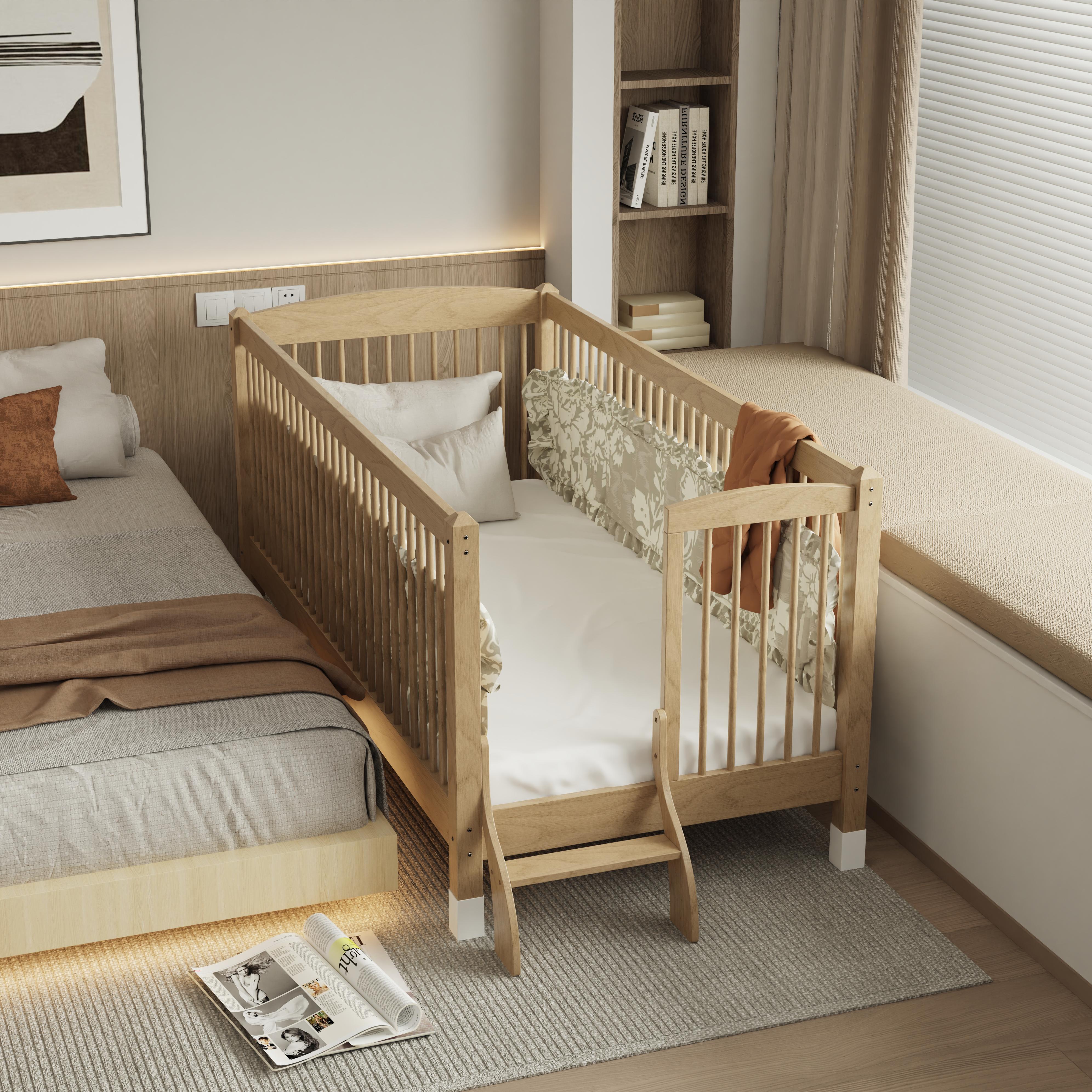
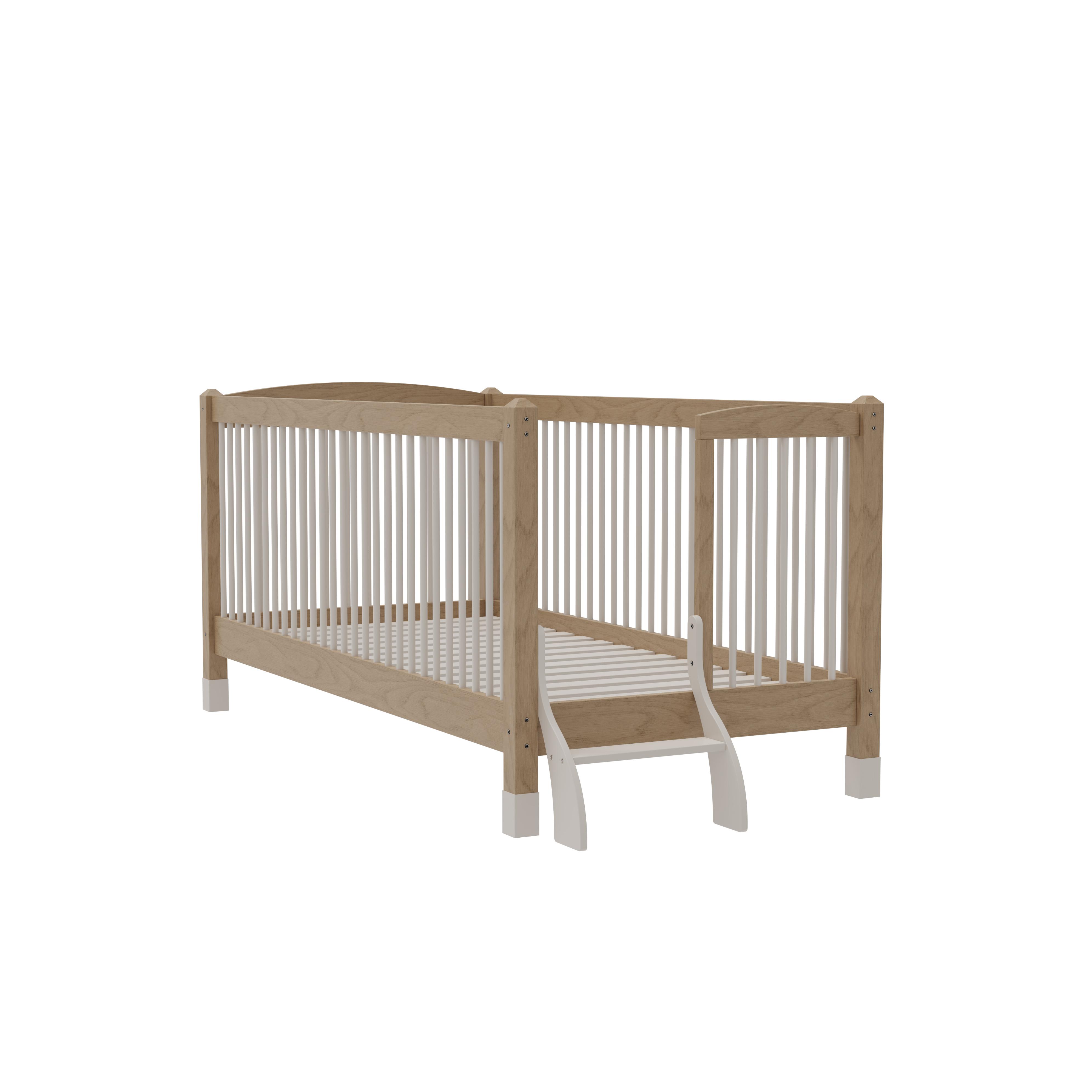
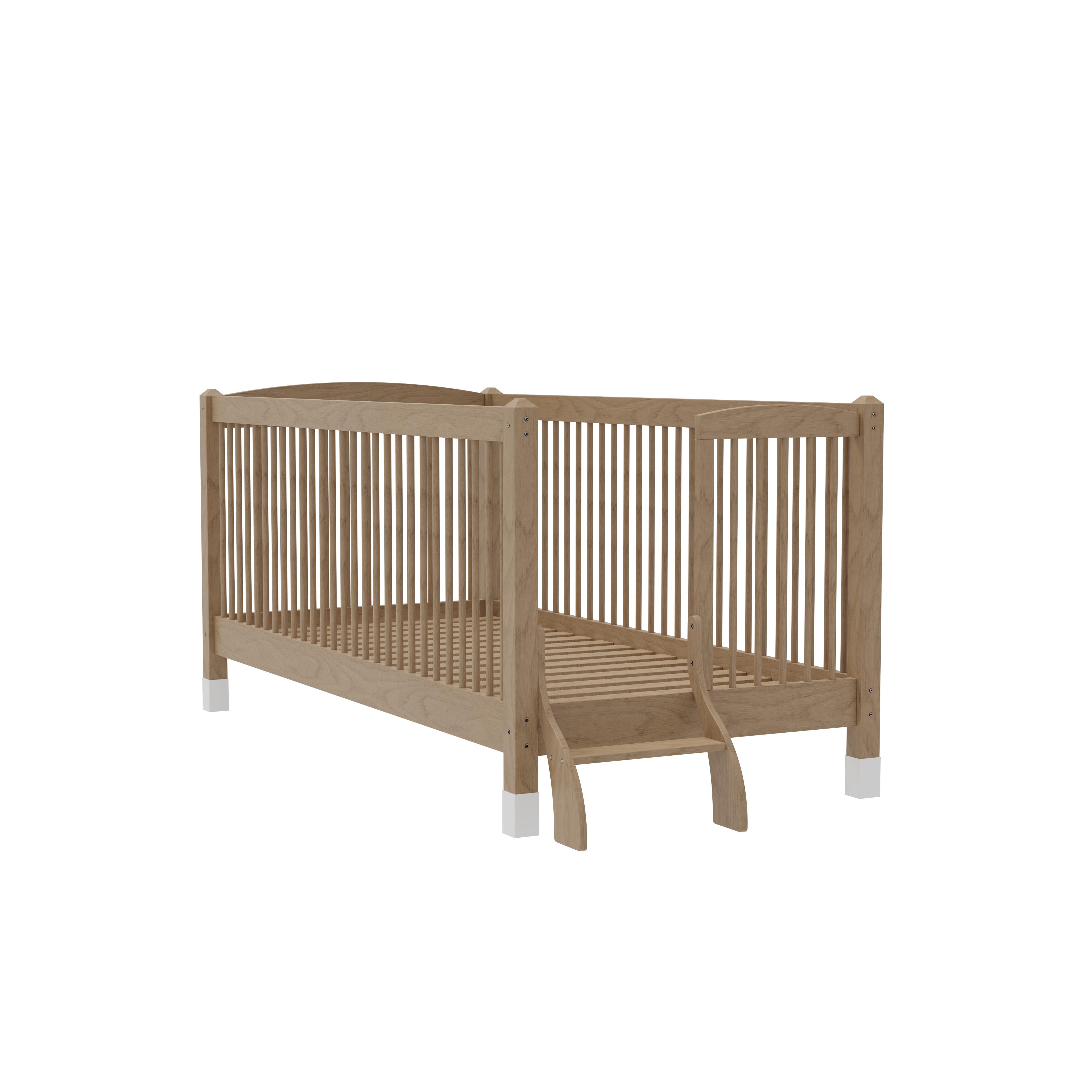
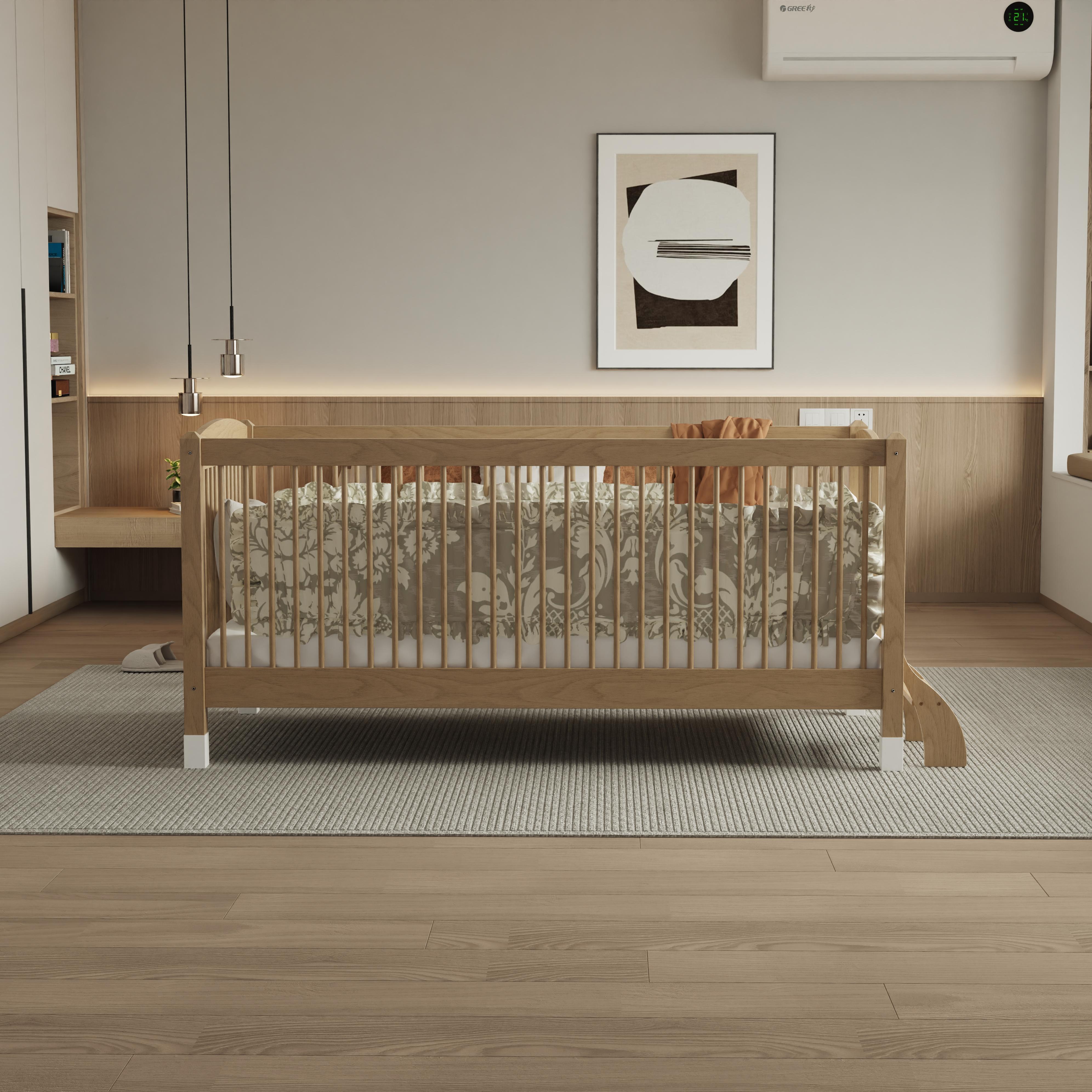
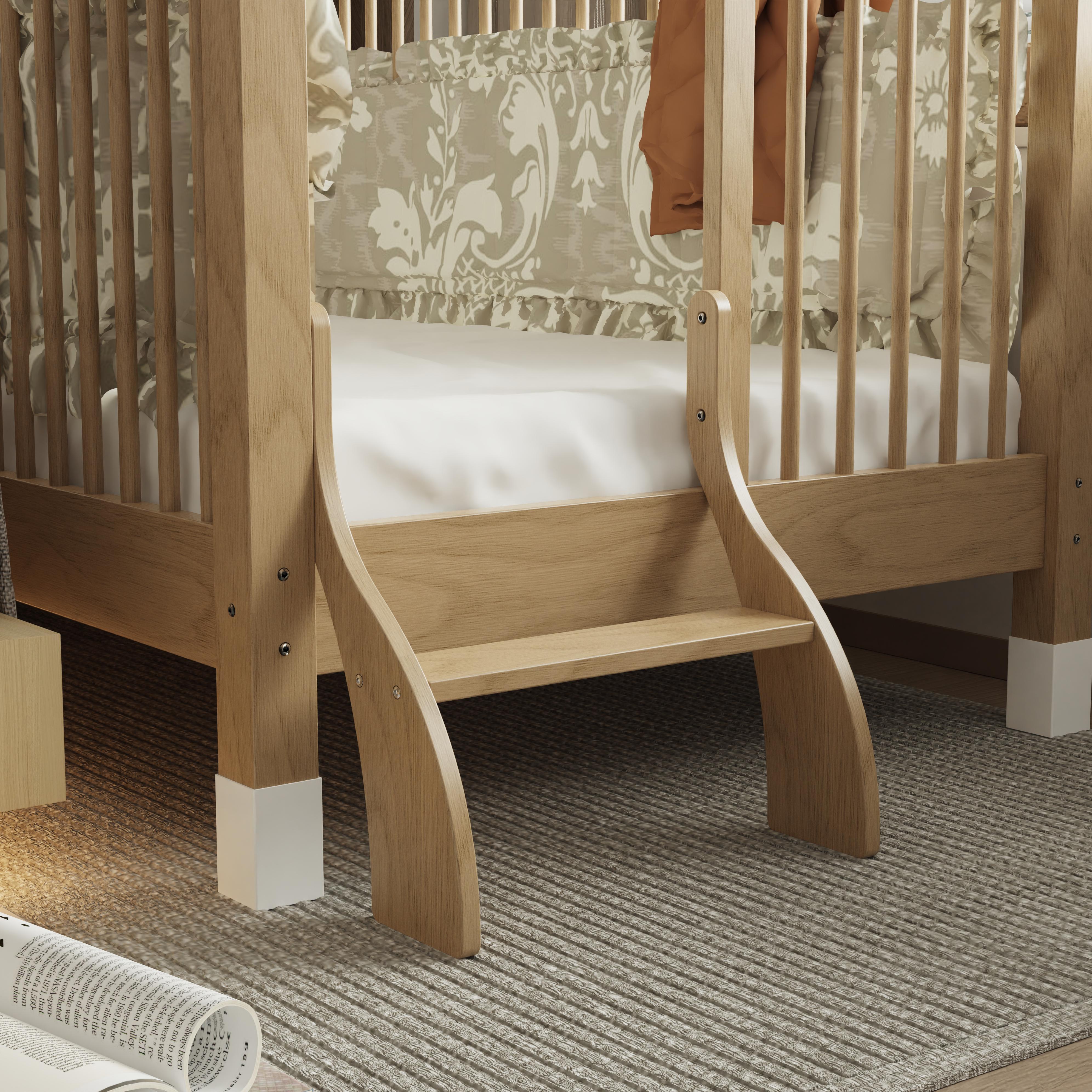
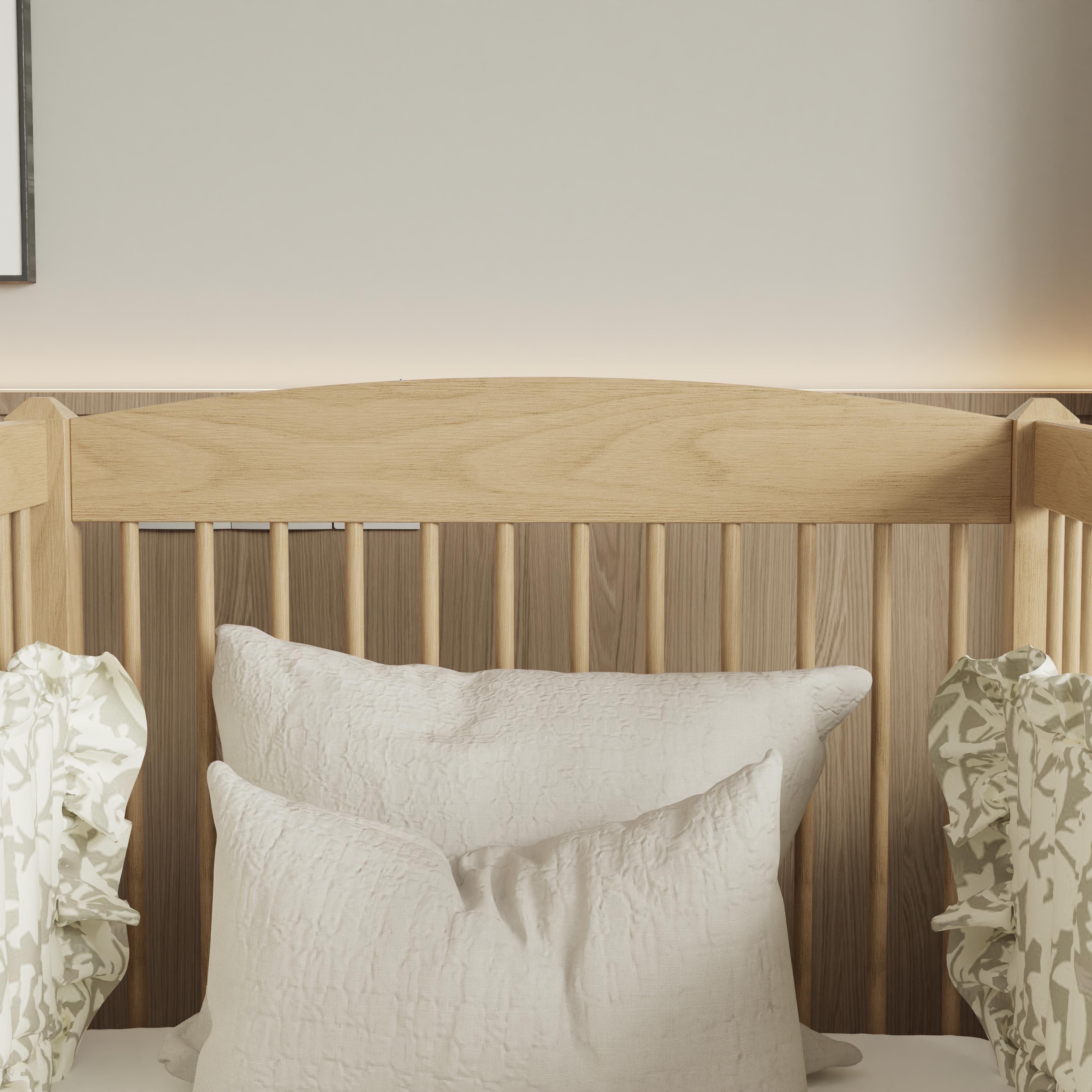
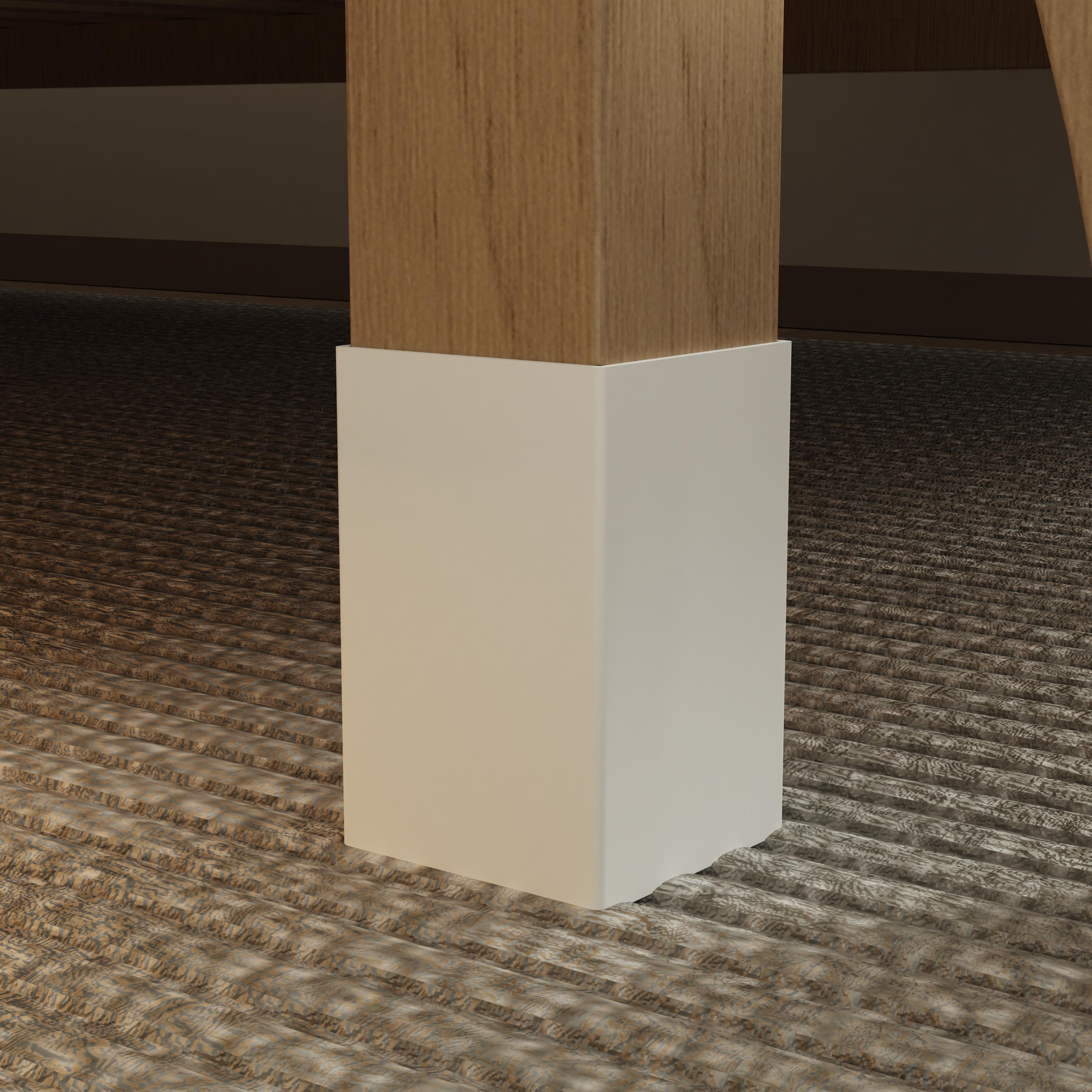
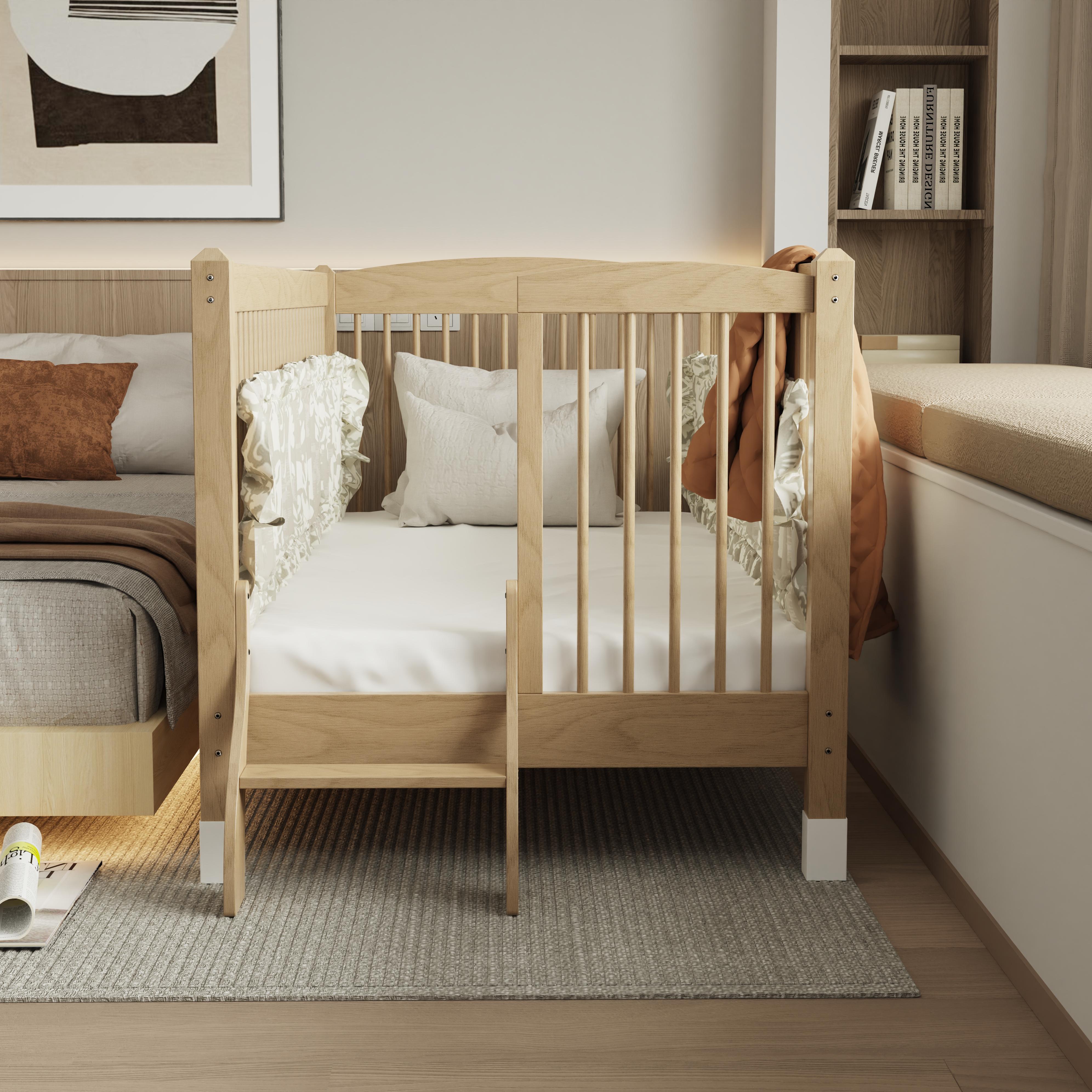
Modern Convertible Solid Wood Toddler Bed With Safety Rails Ladder Kids Bedroom Natural Oak Finish
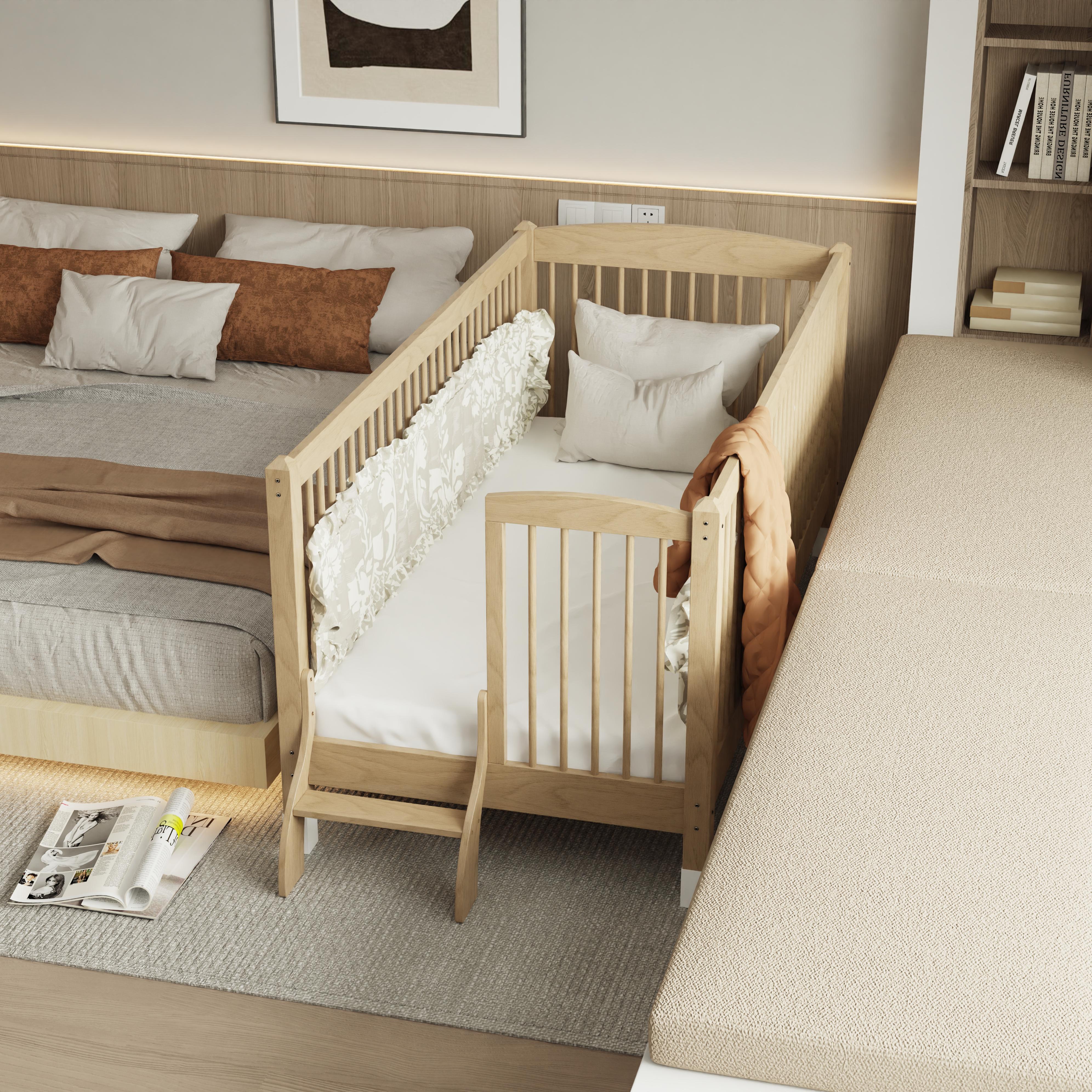
- Core Highlights: A solid wood crib that attaches to an adult bed, featuring safety guardrails for safe co-sleeping and a smooth transition to independent sleep.
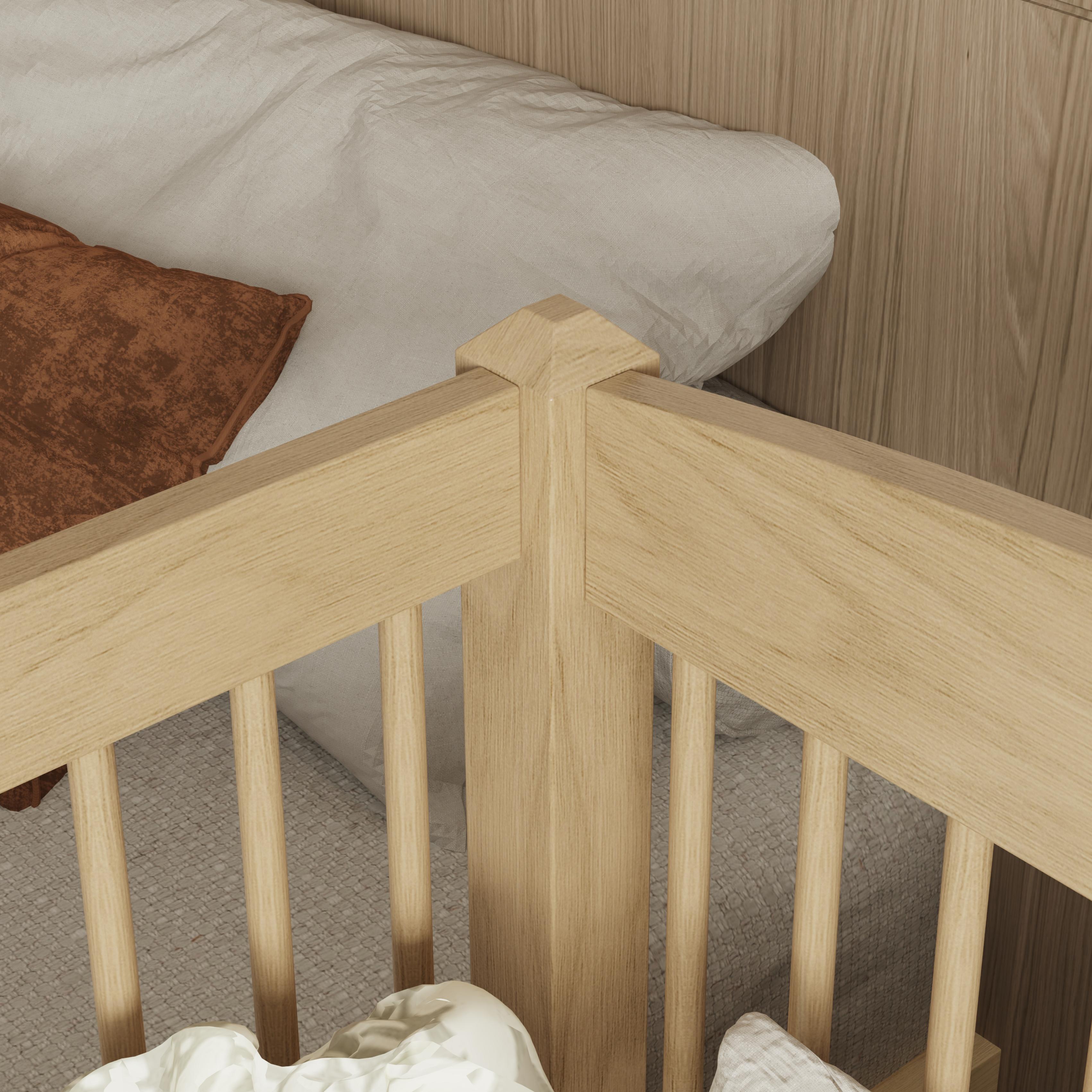
- Key Features: Anti-pinch railings with smooth edges. Converts flexibly from bedside crib to standalone bed as the child grows.
- Material: Eco-friendly solid wood, low odor, lightweight yet provides excellent support.
- Suitable for: Newborns to preschoolers, can be used as bedroom furniture. Ideal for room-sharing families, saves space, eases nighttime care, and grows with the child.
- Maintenance Support: Easy daily cleaning, low maintenance. Strict quality inspection ensures reliable supply. Customer-centric, with full support throughout use.
Convertible Solid Wood Cribs: How Do They Meet Long-Term Sleep Needs from Newborn to Toddler?
For retailers and buyers in the children’s furniture market, staying competitive means offering products that deliver exceptional long-term value to today’s discerning families. Parents are increasingly looking beyond a single-purpose crib, seeking intelligent solutions that adapt to their child’s rapid development. This is where the true value of a well-designed convertible solid wood crib shines. It represents a thoughtful investment in a child’s earliest years, transforming seamlessly to provide a safe, familiar, and supportive sleep environment from infancy through the preschool years. This article explores how modern convertible cribs are engineered to meet this evolving need, providing a compelling value proposition that B2B partners can confidently offer to their customers.
Designing for Lasting Value
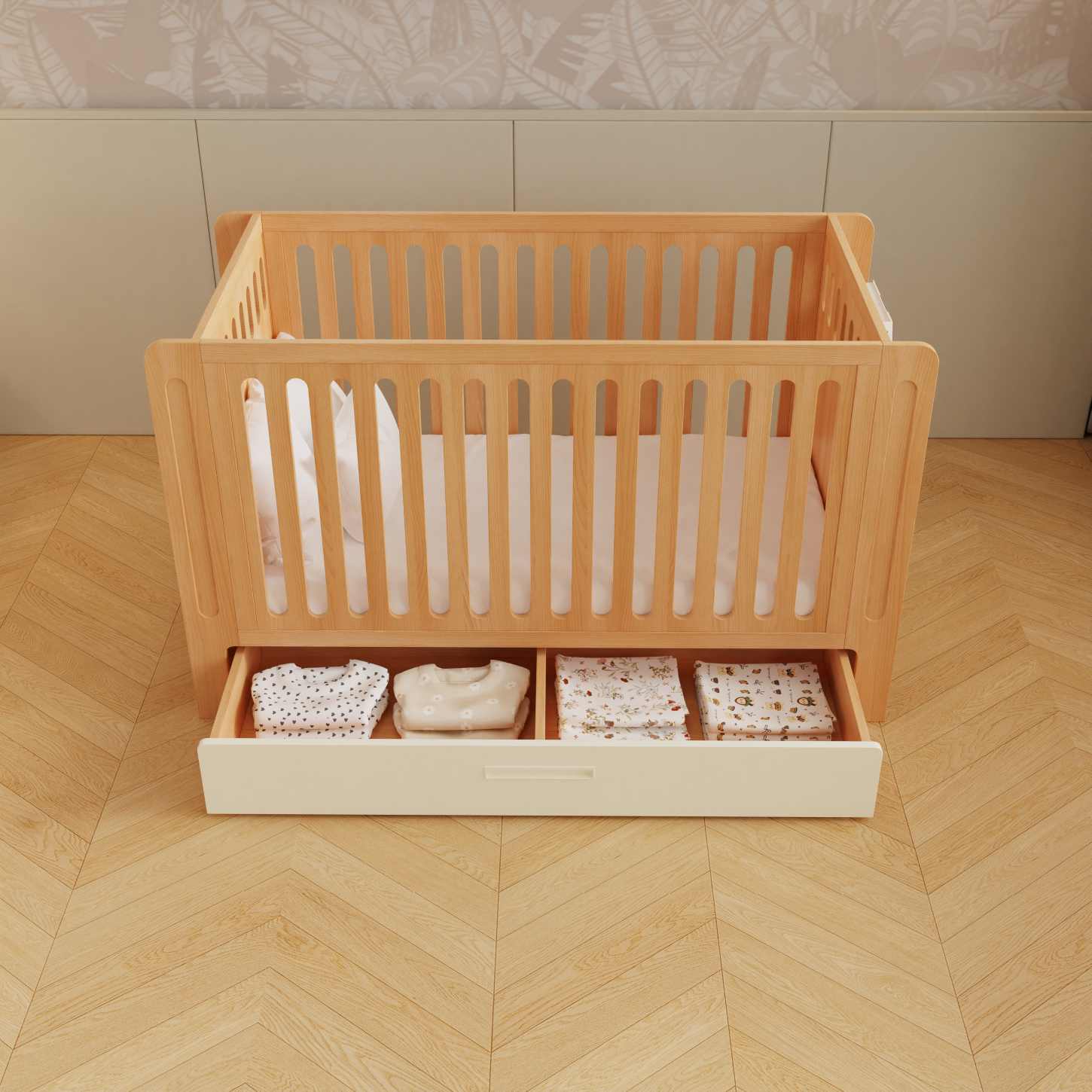
The core philosophy of a convertible crib is longevity and foresight. Unlike a traditional crib that becomes obsolete in a few years, a convertible design is built with the future in mind. It starts as a secure, cozy bedside sleeper, allowing for safe co-sleeping and easy nighttime care. As the child grows and gains mobility, it can be swiftly converted into a standalone toddler bed with protective safety rails. This intelligent transformation means parents invest once in a piece of furniture that serves multiple critical stages, offering unmatched cost-per-use value and eliminating the need for multiple purchases.
Ensuring Safety Through Every Transition
A product that grows with a child must guarantee unwavering safety at every configuration. Superior convertible cribs are engineered with this as the foremost priority. Features like integrated, anti-pinch guardrails with smoothly sanded edges provide essential security without sharp corners. The structure is crafted from sturdy materials to ensure absolute stability, whether the crib is attached to a parent’s bed or standing independently. This meticulous attention to safety details ensures peace of mind for parents and builds lasting trust in the brand, a key asset for retailers.
Adapting to a Growing Child’s World
True adaptability is key to meeting long-term needs. The best convertible cribs offer flexible functionality that mirrors a child’s journey toward independence. The removable side rail for bedside mode facilitates bonding and feeding, while the transition to a low-profile toddler bed empowers the child with the confidence to get in and out safely. This design supports the child’s natural developmental milestones—from the security needed in infancy to the budding autonomy of toddlerhood—all within the comforting familiarity of their own bed.
Built with Integrity for Enduring Use
The ability to last for years hinges on the integrity of materials and construction. High-quality convertible cribs utilize solid wood, known for its inherent strength, durability, and timeless aesthetic. Paired with a non-toxic, low-odor finish, this creates a healthy sleep environment and a surface that is easy to wipe clean. The choice of robust hardware and precise joinery ensures the crib remains rock-solid through years of use and through the process of conversion, delivering the reliability that parents expect and that minimizes post-sale issues for retailers.
Simplifying Life for Modern Families
Beyond safety and durability, a great convertible crib addresses practical daily realities. Features like easy-to-clean surfaces and straightforward, tool-free conversion mechanisms are highly valued by busy parents. A compact, space-saving design makes the crib ideal for shared rooms or smaller nurseries, a common need in urban living. By solving these practical challenges, the product becomes more than just a bed; it becomes an essential, hassle-free component of modern family life, enhancing its appeal in the marketplace.
The B2B Advantage: Sourcing Smart from the Source
The market success of such a multifaceted product is amplified when sourced through the right channel. Partnering directly with a specialized source factory provides unparalleled advantages. It ensures strict quality control is baked into every step of production, from wood selection to final assembly, guaranteeing the consistency that builds your brand’s reputation. More importantly, it provides access to true ex-factory pricing. This direct model removes unnecessary intermediary costs, allowing you, the B2B partner, to offer superior value—combining premium features like solid wood construction, versatile conversion, and enhanced safety—at a highly competitive price point, strengthening your position in the market.